
Mastering Residential Blueprints Interpretation: How to Read Construction Blueprints
Understanding construction blueprints is a valuable skill for anyone involved in building or renovating a property. Whether you are planning a new home or managing a commercial project, blueprints serve as the roadmap for the entire construction process. They provide detailed information about dimensions, materials, and design elements. In this post, I will guide you through the essentials of reading construction blueprints, focusing on residential projects, so you can confidently interpret these technical drawings.
The Basics of Residential Blueprints Interpretation
Blueprints are technical drawings that represent the design and specifications of a building. They include various views and symbols that communicate how a structure should be built. When you first look at a blueprint, it might seem overwhelming, but breaking it down into parts makes it manageable.
Key components of a residential blueprint include:
Floor plans: These show the layout of rooms, walls, doors, and windows from a bird’s-eye view.
Elevations: These are side views of the building’s exterior, showing height and architectural details.
Sections: These cut through the building to reveal internal construction details.
Details: Close-up drawings of specific parts like staircases or cabinetry.
Schedules: Lists of materials, finishes, and fixtures.
Each element works together to provide a complete picture of the project. Start by familiarizing yourself with the legend or key, which explains the symbols and abbreviations used throughout the blueprint.
Understanding Dimensions and Scales in Residential Blueprints Interpretation
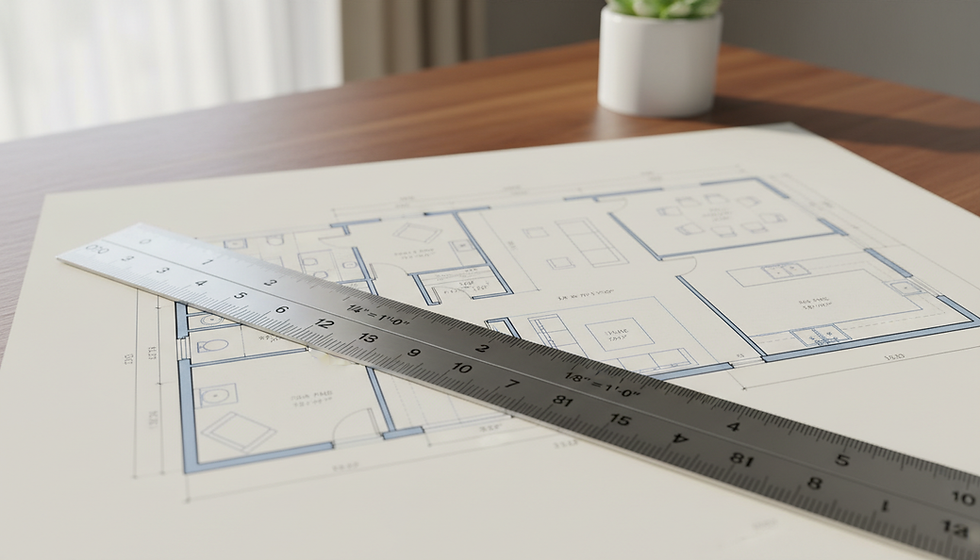
One of the most important aspects of reading blueprints is understanding dimensions and scales. Blueprints are drawn to scale, meaning that every inch on the paper represents a specific measurement in real life. Common scales for residential blueprints include 1/4 inch = 1 foot or 1/8 inch = 1 foot.
Here’s how to work with dimensions and scales:
Locate the scale: It is usually found in the title block or near the drawing.
Use a scale ruler: This specialized ruler helps you measure distances accurately on the blueprint.
Check dimensions: Look for numbers along walls or components that indicate length, width, and height.
Verify consistency: Make sure dimensions match across different views (floor plans, elevations, sections).
Understanding scale ensures you can translate the blueprint into real-world measurements, which is crucial for ordering materials and planning construction steps.
Decoding Symbols and Notations on Blueprints
Blueprints use a variety of symbols and notations to represent building elements. These symbols are standardized but can vary slightly depending on the architect or region. Learning to recognize these symbols will help you quickly identify components like electrical outlets, plumbing fixtures, and structural elements.
Common symbols include:
Doors and windows: Shown as arcs or rectangles with lines indicating swing direction.
Electrical outlets: Small circles or squares with letters like "G" for ground.
Plumbing fixtures: Icons representing sinks, toilets, and showers.
Walls: Different line types indicate load-bearing or non-load-bearing walls.
Materials: Patterns or hatch marks show different materials like brick, concrete, or wood.
Always refer to the legend on the blueprint for exact meanings. If you are unsure about a symbol, ask your contractor or architect for clarification.
How to Read Residential Construction Blueprints Effectively
If you want to deepen your understanding, I recommend exploring resources on how to read residential construction blueprints.
Here are some practical tips to help you read blueprints effectively:
Start with the big picture: Review the overall floor plan to understand the layout.
Focus on one section at a time: Break down the blueprint into manageable parts.
Cross-reference views: Compare floor plans with elevations and sections to get a full understanding.
Highlight key areas: Use a highlighter or notes to mark important details.
Ask questions: Don’t hesitate to seek explanations from professionals involved in the project.
By following these steps, you will build confidence and reduce the chances of costly mistakes during construction.
Practical Applications of Blueprint Reading in Construction Projects
Knowing how to read blueprints is not just about understanding drawings; it directly impacts the success of your construction project. Here are some ways this skill benefits you:
Improved communication: You can discuss plans clearly with contractors, architects, and inspectors.
Better budgeting: Understanding materials and dimensions helps you estimate costs accurately.
Quality control: You can verify that construction matches the design specifications.
Problem-solving: Spot potential issues early by reviewing the plans thoroughly.
Project management: Keep track of progress and ensure timelines are met.
For example, if you notice a discrepancy between the floor plan and the elevation, you can address it before construction begins, saving time and money.
Building Confidence with Blueprints
Reading construction blueprints may seem challenging at first, but with practice, it becomes a straightforward process. Remember to take your time, use available resources, and don’t hesitate to ask for help when needed. This skill empowers you to take an active role in your construction project and ensures your vision becomes a reality.
By mastering residential blueprints interpretation, you are better equipped to oversee your project from start to finish, ensuring quality and precision every step of the way. Whether you are building a new home or managing a commercial property, understanding blueprints is a key part of successful construction.
If you want to explore more about blueprint reading and construction planning, keep practicing and consulting reliable guides. Your investment in learning this skill will pay off in smoother projects and better results.